Botanical Identity: Iris vs. Lily
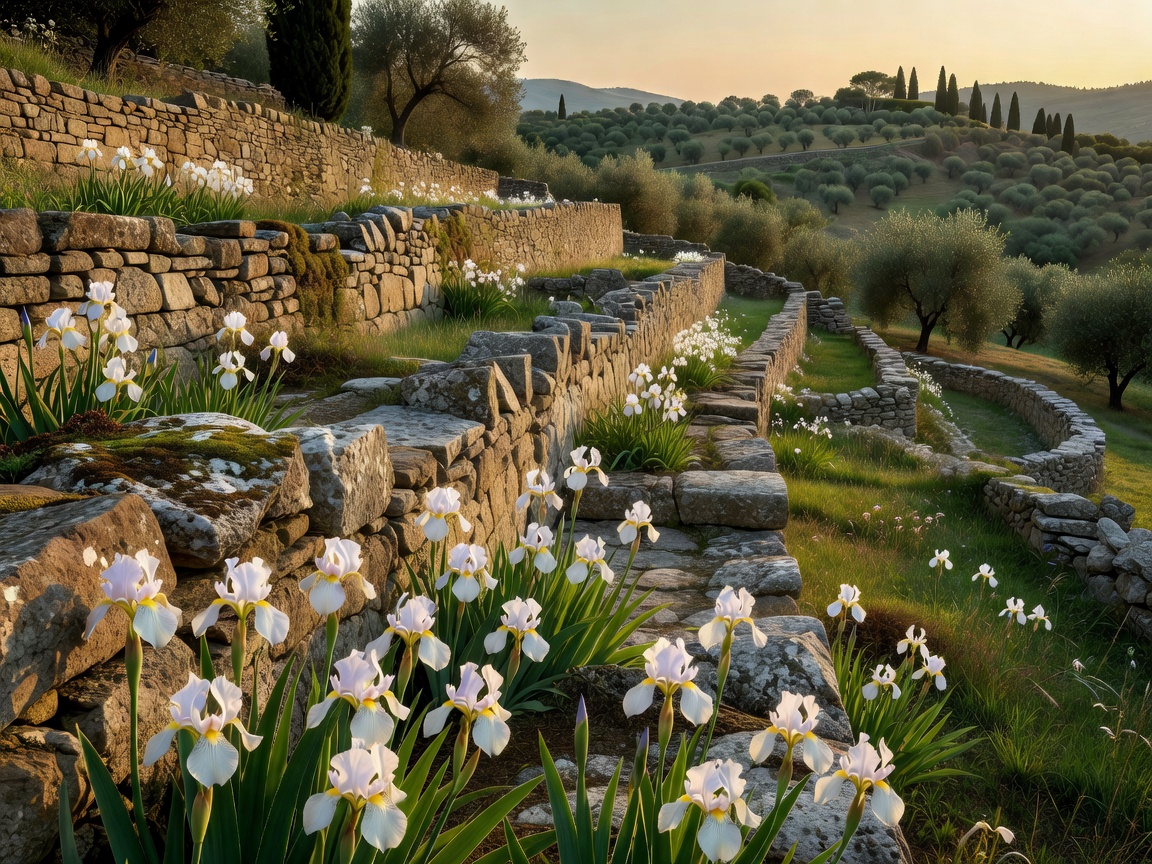
Although the civic symbol of Florence is frequently referred to in English as the "Florentine Lily" (Giglio Fiorentino), botanical history demonstrates that the stylized floral device with spreading petals and stamens is derived directly from the wild iris species that grow abundantly across the Arno valley. Specifically, Iris germanica var. florentina (a white bloom with subtle blue undertones) and Iris pallida (a delicate lavender flower) form the foundation of this centuries-old association.
Originally, the municipal coat of arms featured a white flower placed upon a crimson field. Following the expulsion of the Ghibelline faction in 1251, the victorious Guelfs inverted the colors to create the renowned crimson bloom on a white background that decorates town halls, flags, and artisan stonework across Florence to this day.
Botanical & Economic Specifications
- Primary Species: Iris pallida (sweet iris) and Iris florentina
- Economic Harvest: Orris root (rhizome), dried for 2 to 3 years to develop irones (violet-scented aromatic compounds)
- Primary Cultivation Centers: San Polo in Chianti, Greve in Chianti, Reggello terraces
- Public Viewing Window: Giardino dell’Iris at Piazzale Michelangelo (open roughly May 2 to May 20 each year)
The Art of Orris Root Cultivation in Tuscany
Beyond its heraldic beauty, the iris—known locally as giaggiolo—has served as a vital agricultural crop across dry, rocky hillside terraces where olive trees and vines also flourish. The plant thrives in alkaline, free-draining limestone soils. The valuable component is not the fleeting flower petal, but the subterranean rhizome.
Farmers dig the rhizomes in July and August after the plants have completed their flowering cycle. The roots are meticulously cleaned, peeled by hand, sliced, and dried in the summer sun on wooden racks. Over two to three years of controlled curing, the chemical precursors oxidize into irones, producing an intensely prized woody-violet fragrance used as a luxurious fixative in classic European fine perfumery, high-grade cosmetics, and traditional Tuscan spirits such as Chianti grappa infusions.
Horticultural Strengths
- Extremely drought-tolerant once established in terraced, rocky soils.
- Resistant to most common Mediterranean agricultural pests and fungal blights.
- Long cultural lineage connecting botany with regional art history and fine perfumery.
Cultivation Challenges
- Rhizome processing requires intense manual labor with virtually zero mechanization possible.
- Annual flowering period is remarkably brief (typically lasting only two to three weeks in May).
- Susceptible to root rot if placed in heavy, water-retentive clay soils.
Visiting the Giardino dell'Iris
Travelers in Florence during the month of May have the rare opportunity to visit the official Giardino dell’Iris, positioned on the panoramic hillside immediately below Piazzale Michelangelo. Maintained by the Società Italiana dell’Iris since 1954, the botanical garden serves as the testing ground for an esteemed international hybridizing competition. Walking among the terraced olive trees while hundreds of registered iris cultivars bloom against the skyline of Brunelleschi’s dome provides one of the premier botanical experiences in all of Italy.