The Historic Backdrop of Mercato Nuovo
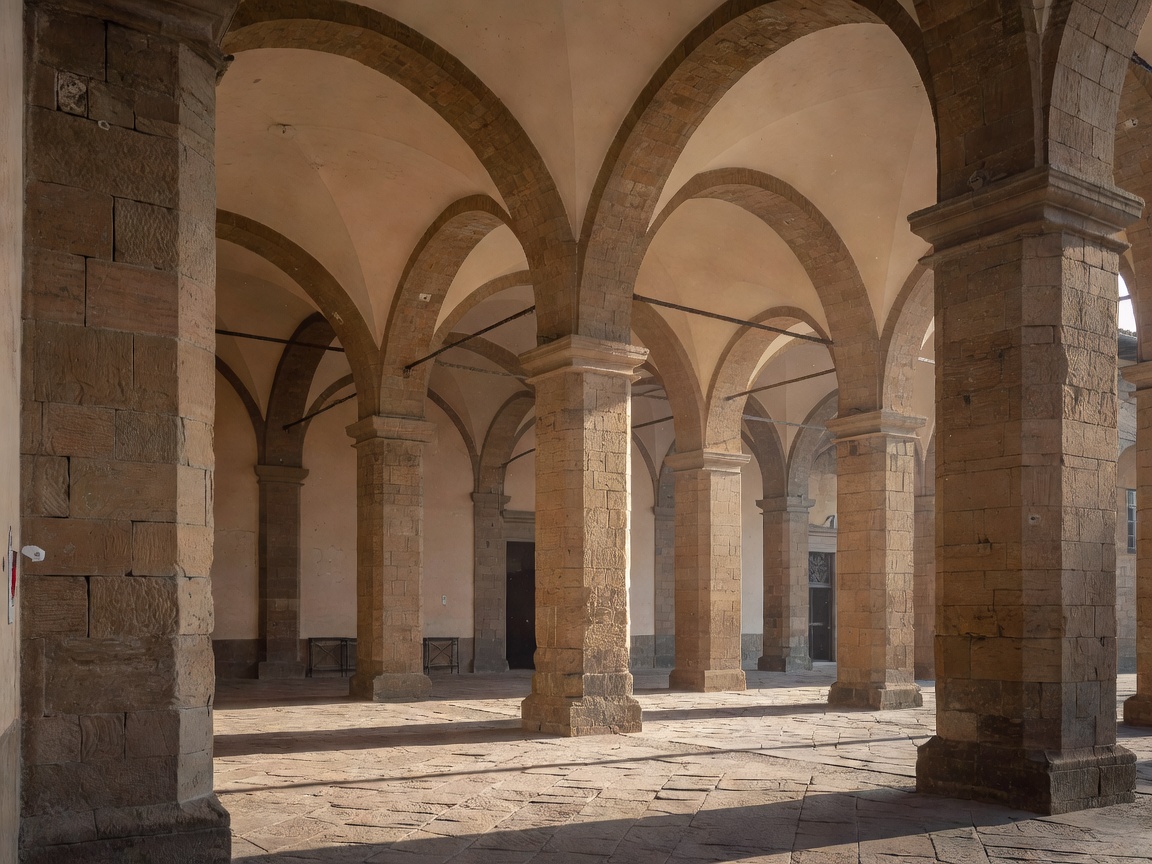
The Loggia del Mercato Nuovo was constructed between 1547 and 1551 under Cosimo I de' Medici. Originally intended to house the city’s trade in silk, damask, and precious metals, its stone open-air configuration later evolved into a bustling destination for straw goods, lace, and seasonal floral merchants. The nickname "Loggia del Porcellino" derives from Pietro Tacca's famous bronze fountain of a wild boar placed at the edge of the loggia in the seventeenth century.
While modern visitors often assemble around the boar fountain to rub its snout for fortune, the interior stone paving retains a distinct relationship with regional cut flowers. During morning hours, especially on weekends, florists arrange wrapped stems of Tuscan lilies, ranunculus, and flowering branches along the perimeter steps, preserving an outdoor trading rhythm that has endured through centuries of urban changes.
Visitor Information & Operational Details
- Location: Piazza del Mercato Nuovo, 50123 Firenze FI, Italy
- Architecture: Open arcade supported by twenty Corinthian-style stone columns
- Peak Floral Selection: Thursday through Sunday mornings (09:00 – 13:00)
- Primary Offerings: Cut stems, bundled lavender, potted cyclamen, dried botanicals
Market Character & Trade Dynamics
Florists operating under the loggia must contend with strict heritage protection laws governing Florence's UNESCO historic center. Vendors use mobile tiered display carts constructed with timber and brass accents to complement the stone piers. The microclimate underneath the canopy provides reliable shade during summer afternoons, preventing delicate stems like freesia and sweet peas from wilting prematurely.
Unlike wholesale production facilities located outside the city gates, the Porcellino florists specialize in ready-arranged bouquets designed for city residents, church ceremonies, and boutique hotel lobbies in the immediate Santa Maria Novella and Duomo districts. Prices reflect this prime location, but the craftsmanship of wrapping stems in rustic brown paper tied with natural raffia remains exemplary.
Advantages
- Unmatched historic atmosphere within footsteps of the Arno and Piazza della Signoria.
- Covered arcade protects shoppers from rain and direct summer sun.
- Artisanal bouquet composition with premium wrapping included.
Considerations
- Space is shared with leather artisans and souvenir vendors.
- Higher prices per stem compared to suburban morning street markets.
- Narrow walkways can become congested during peak midday tourist foot traffic.
Tips for Botanical Photographers and Visitors
Photographers seeking crisp natural light without crowd interference should plan their visit between 08:30 and 09:30. At this hour, morning sunlight enters from the east across Via Calimala, highlighting the wet stems as florists trim leaves and place fresh stock into water buckets. Vendors generally welcome polite viewing, but asking permission before photographing individual close-ups of arrangements remains standard etiquette.