The Evolution of the Italian Formal Garden
Laid out behind the Palazzo Pitti for Duchess Eleonora di Toledo (wife of Cosimo I de' Medici) by Niccolò Tribolo, Bartolomeo Ammannati, and Bernardo Buontalenti between 1550 and 1600, the Boboli Gardens established the definitive model for European formal landscaping. Beyond its monumental stone axes, grottos, and marble statuary, Boboli preserves one of the most significant collections of historic cultivars in Europe.
The garden was designed not solely for theatrical court display, but as an active agricultural laboratory. The Medici rulers were passionate collectors of rare botanical specimens gathered across their maritime trade routes, including unusual citrus mutations, medicinal plants, climbing jasmine species, and bulb selections that were later propagated throughout private estate gardens across Tuscany.
Gardens & Botanical Facilities Overview
- Location: Piazza de' Pitti 1, 50125 Firenze FI (Behind Palazzo Pitti)
- Total Area: Approximately 45,000 square meters (11 acres)
- Architectural Masterpiece: The Grand Limonaia designed by Zanobi del Rosso (c. 1778)
- Botanical Highlights: Bizzarria citrus chimera, historic rose garden at the Giardino del Cavaliere
The Citrus Collection and the Zanobi del Rosso Limonaia
The centerpiece of Boboli’s living botanical collection is its historic citrus assembly, housed during cold winter months within the spectacular 106-meter-long neoclassical Limonaia. Designed in 1778 under the Lorraine grand dukes, this pale-green conservatory features enormous south-facing arched windows engineered to capture winter solar heat without requiring chimney heating that could scorch tender foliage.
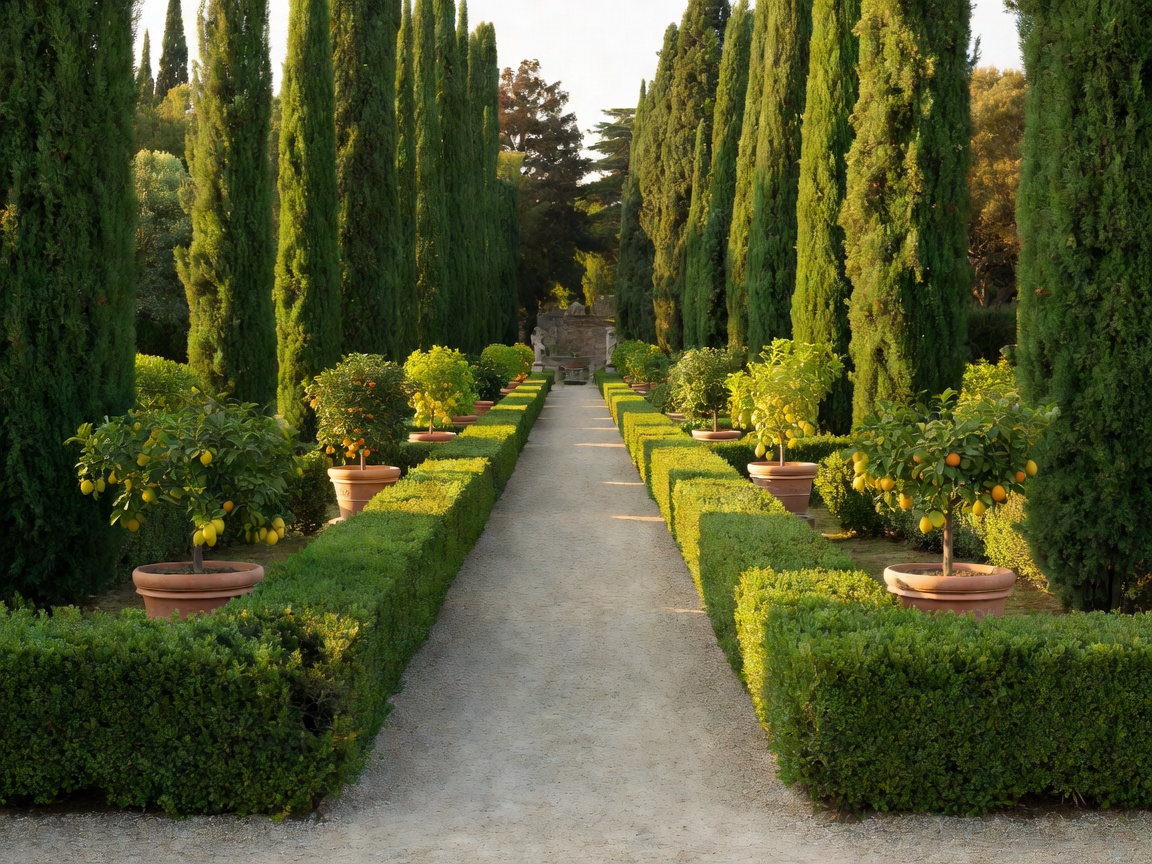
Among the hundreds of container-grown trees—many planted in original clay pots stamped with historic ducal heraldry—the most famous is the Citrus aurantium ‘Bizzarria’. Discovered in a Florentine garden in 1644, this rare graft chimera produces branches bearing true bitter oranges, Florentine lemons, and bizarre hybrid fruits combining both phenotypes on a single rind. In spring, these trees are transferred outdoors along the gravel allées, filling the terraces with sweet neroli blossom perfume.
Botanical Highlights
- Living access to verified 17th- and 18th-century heirloom citrus varietals.
- Panoramic vistas overlooking the southern Florentine hills, olive groves, and churches.
- Peaceful floral respite away from the crowded downtown pedestrian corridors.
Visitor Advice
- Steep inclines and pea gravel pathways require sturdy footwear; not easily wheelchair accessible.
- Limited shade in open terrace zones during hot summer afternoons (12:00 – 16:00).
- Requires paid admission ticket; advanced booking is recommended during peak spring months.
The Giardino del Cavaliere and Historic Roses
Perched atop the highest fortification terrace of the gardens sits the secluded Giardino del Cavaliere. Framed by low stone walls and manicured boxwood borders, this terrace features an exquisite collection of historic tea roses, damask roses, and French Gallica varieties. Flowering reaches its absolute peak during the late weeks of May, offering garden lovers a combination of botanical scent and broad panoramic views stretching out to the rolling Tuscan countryside.